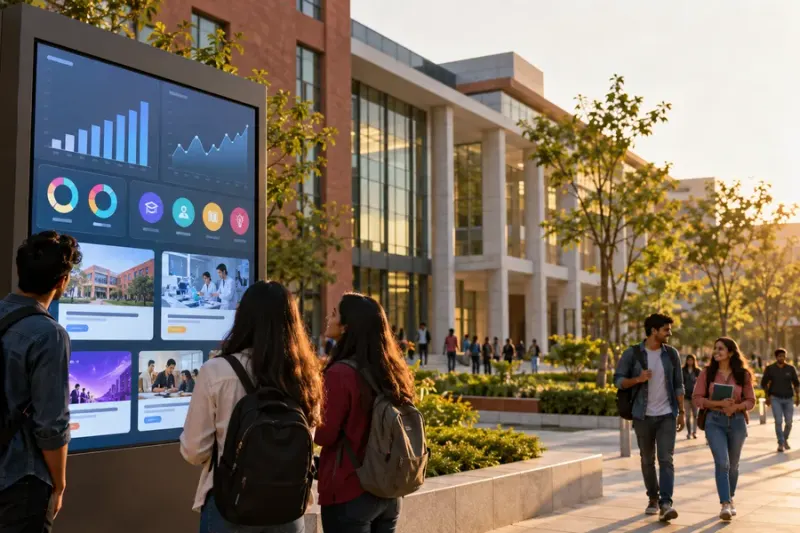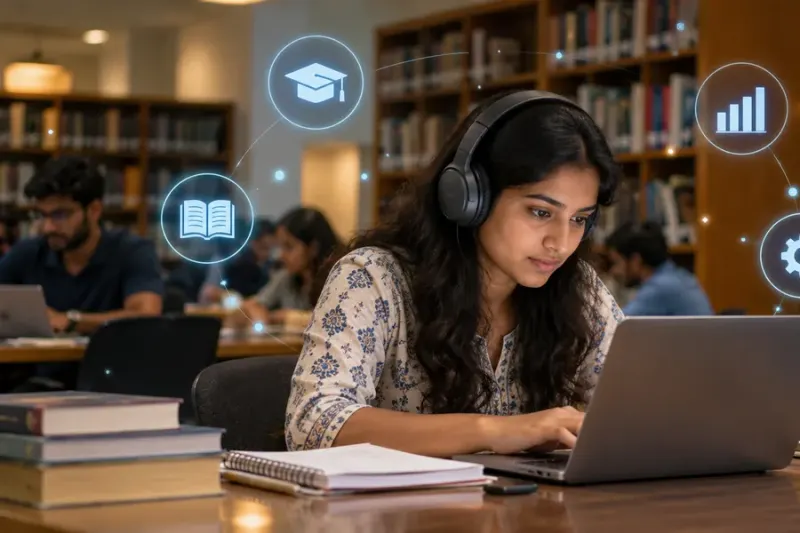

“Why was he selected and I was not? We have the same degree.” Many students ask this after a campus drive or an interview. The answer is often not the degree, but employability skills: the skills that show an employer that you can learn quickly, work with people and do the job reliably. This guide explains what they are, gives a list with examples and shows how to prove each skill on your resume and in interviews.
What are employability skills?
Employability skills are the mix of personal, digital and work-related skills that make you ready for work. Your degree shows what you studied. Your employability skills show how you work. They are useful in a bank, a school, a startup or an office, and they help you move from one job to another.
A list of 12 employability skills with examples
People skills
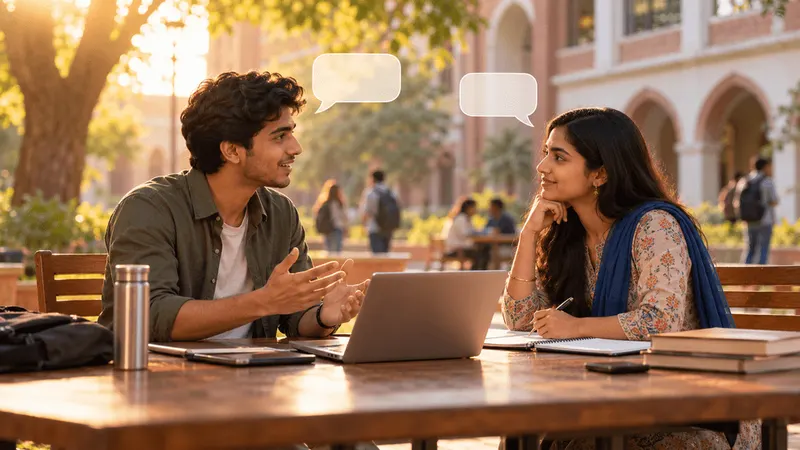
- Communication. Explaining an idea clearly in speech and writing. Example: presenting a group project to the class.
- Teamwork. Doing your part and helping others. Example: organising a college event with a small team.
- Leadership and initiative. Taking responsibility without waiting to be told. Example: leading a club activity or a project group.
Thinking and learning skills
- Problem solving. Breaking a problem into steps and suggesting solutions. Example: fixing a clash in an event schedule.
- Critical thinking. Checking information before believing it. Example: comparing two sources for a report.
- Willingness to learn. Taking feedback and improving. Example: learning a new software tool on your own.
Digital and technical skills
- Office and spreadsheet skills. Writing documents, making presentations and using spreadsheets. See our guide on Excel skills for commerce students.
- Basic AI skills. Using AI tools sensibly to research, draft and check work. See AI skills for commerce and arts students.
- Online communication. Writing professional emails and managing video calls.
Work habits
- Time management. Meeting deadlines. Read our time management tips for students.
- Professional behaviour. Punctuality, polite language and honesty.
- Adaptability. Staying calm and flexible when plans change.
Self-check: where do you stand?
Rate yourself honestly from 1 (need to start) to 3 (can show proof). The “proof” column tells you what to collect.
| Skill | What proof looks like |
|---|---|
| Communication | A presentation, a written report or a recorded 2-minute talk |
| Teamwork | A group project where you can describe your exact role |
| Problem solving | A short story: problem, what you did, the result |
| Digital skills | A spreadsheet, document or presentation you made |
| Time management | A completed project with your own timeline |
| Learning | A certificate or a project from an online course |
Skills with a score of 1 are your starting list. Pick two and work on them for the next month.
How to show employability skills on your resume

- Use action and result. Instead of “good communicator,” write “presented a market survey to a class of 60 and answered questions.” Use real facts only.
- Place skills where they belong. Put them in a skills section, but prove them inside your projects, internships and activities.
- Match the job description. If the job asks for Excel and teamwork, make those easy to see.
See our guide on how to write a fresher resume, and prepare for the next step with common interview questions for freshers.
Where to build these skills
- Inside college: presentations, group projects, clubs, NSS or NCC activities and events.
- Outside college: internships (see how to find an internship as a student), volunteering and online courses.
- With guided courses: structured practice with feedback saves time. See Soft Skills & Employability — From Campus to Career and Office Automation, or read about soft skills for students and how to prepare for campus placement. Students can see all options on our for students page.
When you are ready to apply, our sister job portal Jobs Hub lists openings for freshers and campus hiring.
For colleges: building student employability
Colleges also look for ways to raise employability in a structured way, for example through skill courses in the timetable, practice interviews and soft skills training. Our guide on how colleges can improve student employability explains the steps, and our for colleges page shows how we can help.
For more learning resources, visit our sister portal bhavyagyan.in.
Conclusion
Employability skills are learned by doing, not only by reading. Choose two skills from the list, create one piece of proof for each and practise explaining it. Within a month your resume and your interview answers will sound more confident and more specific.
For questions about our courses, contact us or see all courses. You can also read about Bhavya Gyan Academy or visit our FAQs.
Related reading: Soft skills for students: 10 skills employers value · How to prepare for campus placement · Student employability programme for colleges · How to write a professional email
Frequently asked questions
What are employability skills?
Employability skills are the skills that help you get a job, do it well and keep learning, such as communication, teamwork, problem solving, digital skills and good work habits. They are useful in almost every field.
What is the difference between employability and employment?
Employment means having a job. Employability means having the skills and habits that make you suitable for jobs and able to move between them.
Are employability skills the same as soft skills?
They overlap. Soft skills are one important part of employability. Employability also includes digital skills, subject knowledge and work habits such as reliability.
How can a fresher show employability skills without experience?
Use examples from college: projects, group work, clubs, events, internships and online courses. Describe what you did and what happened, not only the skill name.
How long does it take to build employability skills?
It depends on the skill and how often you practise. Most students notice real progress in a few weeks of regular practice and feedback.
Further reading and official resources
- National Career Service (NCS) portal — a government portal for job seekers, with job listings and career resources
- SWAYAM — free online courses — a government platform for online learning
- Microsoft Support — Excel help & learning — official help for learning spreadsheet skills
- Jobs Hub — our sister job portal — free job listings for freshers and campus hiring, in English and Hindi
- Bhavya Gyan — our sister portal — students and colleges can explore more learning resources on our sister portal